
Traveling to Rio de Janeiro often comes with a very specific reaction from people who hear about it: concern. The city has a global reputation that mixes admiration for its beauty with constant warnings about safety, especially for solo travelers. Before visiting—or even living here—many people build an image of Rio based on headlines, secondhand stories, and social media clips that rarely show the full reality.
What I’ve noticed is that this perception usually doesn’t come from experience, but from distance. Rio becomes a place people feel they already understand before ever stepping foot in it. And that gap between perception and reality is exactly what makes conversations about safety here so polarized.
The truth is that Rio de Janeiro is not a simple city to describe in one sentence. It is vibrant, unpredictable, and full of contrast. There are moments that feel incredibly safe and relaxed, and others where awareness becomes more important. Like many large cities around the world, the experience depends heavily on where you are, how you move, and what time of day it is.
In this article, I want to go beyond assumptions and share a more grounded perspective on solo travel in Rio de Janeiro. Not based on fear or exaggeration, but on real observation of how the city actually feels and functions in everyday life.
How safe is Rio de Janeiro for solo travelers?
Rio de Janeiro is not a city that can be categorized in simple terms like “safe” or “unsafe.” The reality is much more nuanced, and understanding that nuance is key to moving around the city with confidence.
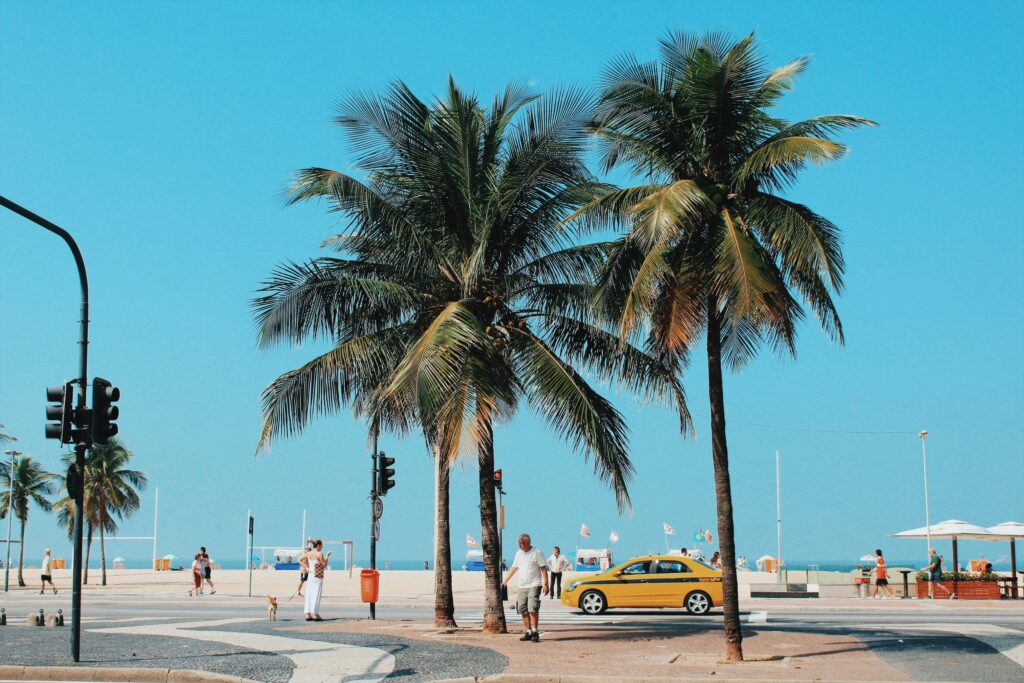
Safety here is highly situational. It changes depending on the neighborhood, the time of day, and even the way you present yourself as a traveler. In some areas, especially along the beachfront zones like Copacabana and Ipanema during the day, life feels open, social, and very much oriented around outdoor living. In other parts of the city, particularly less familiar or quieter streets at night, a more cautious approach becomes necessary.
What stands out most is not constant danger, but constant awareness. You notice how locals naturally adapt their behavior—choosing certain routes, avoiding unnecessary risks, and being mindful of their surroundings without letting it dominate their daily life. Over time, this becomes part of the rhythm of the city rather than something unusual or alarming.
For solo travelers, this means Rio is less about fear and more about informed movement. When you understand the basic dynamics of the city and adjust accordingly, it becomes possible to experience Rio in a way that feels both enjoyable and grounded in reality.
If you feel more comfortable, you can hire a transfer service to get around the city.
Fear vs reality: what people get wrong about Rio de Janeiro
When people talk about Rio de Janeiro from the outside, the conversation often leans heavily toward fear. Stories about crime tend to travel further than everyday experiences, and over time this creates a version of the city that feels more extreme than what most people actually encounter on the ground.
What gets lost in this narrative is context. Rio is a large, complex city where millions of people go about their daily lives—commuting, working, meeting friends, going to the beach, and enjoying the city’s cultural life. Like any major urban center, it has areas that require more attention and situations where common sense matters, but that alone does not define the entire city.
The difference between perception and reality usually comes down to visibility. Incidents are widely shared and remembered, while normal, uneventful daily experiences rarely make it into conversations or headlines. As a result, the image of Rio becomes disproportionately shaped by the most dramatic moments rather than the most common ones.
Understanding this gap is important for solo travelers. Rio is not a place where you should ignore basic precautions, but it is also not a place where fear should dictate your entire experience. Most of the city exists somewhere in between those two extremes.
You can also book tours with local guides to feel safer while exploring the “Marvelous City.”
Living in Rio de Janeiro: a different perspective on safety
Living in Rio de Janeiro changes the way you understand the conversation about safety completely. From the outside, the city is often discussed through extremes—either as a paradise or as a dangerous destination—but daily life rarely fits into those simplified categories.
When you actually live here, what becomes more relevant is not fear, but awareness. You learn how the city flows in real time: which areas feel naturally busier at certain hours, how movement changes between neighborhoods, and how people adjust their routines without overthinking it.
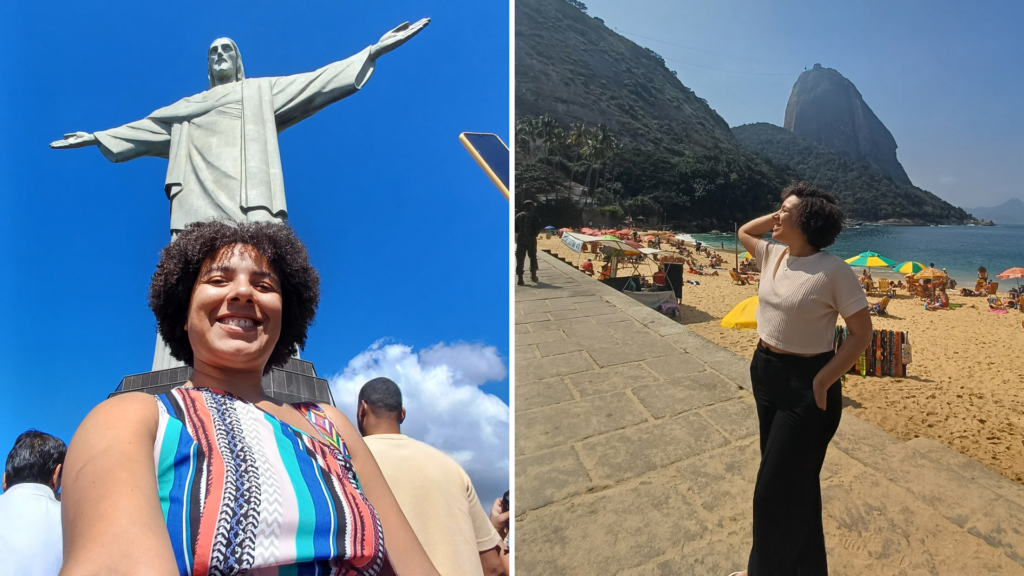
There is a clear contrast between perception and lived experience. Many of the situations that dominate international narratives don’t reflect what most residents experience on a daily basis. At the same time, like in any large metropolitan city, there are moments where being attentive to your surroundings is simply part of urban life.
Over time, Rio stops being an abstract “destination” and becomes a place you navigate intuitively. And that lived familiarity is what really shapes a more balanced understanding of safety here.
Is Rio de Janeiro Dangerous for Tourists?
This is one of the most common questions people ask before visiting Rio de Janeiro, and the honest answer is that it depends more on behavior and awareness than on the destination itself.
For tourists, Rio can feel very safe in many of its most visited areas, especially during the day. Neighborhoods like Ipanema, Leblon, and Copacabana are usually full of life, with people walking, exercising, and enjoying the beach. In these environments, visitors are rarely isolated, which naturally contributes to a stronger sense of security.
However, like in any large city, certain situations require more attention. Walking alone late at night in quiet or unfamiliar streets, for example, is not recommended anywhere in Rio. The same applies to displaying valuables openly or not paying attention to surroundings in crowded areas.
Most issues involving tourists tend to be linked to predictable patterns rather than random situations. This means that with basic precautions and situational awareness, many visitors experience Rio without major problems and are able to enjoy the city fully.
Safest Areas in Rio de Janeiro for Travelers
Rio de Janeiro has several neighborhoods that are widely considered safer and more comfortable for visitors, especially those staying for the first time or traveling solo.
Ipanema and Leblon are often seen as two of the most secure and well-structured areas in the city. They offer a strong beach culture, organized streets, and a constant flow of locals and tourists throughout the day, which contributes to a more relaxed atmosphere.
Copacabana is another popular option, known for its accessibility and infrastructure. While it is busier and more urban in character, it still offers a strong tourist presence and a wide range of accommodations, restaurants, and transport options.
Barra da Tijuca, with its wider streets and more residential layout, is also considered relatively calm, especially for those who prefer a less dense environment.
Santa Teresa offers a very different experience, with a more artistic and historical feel. While it is charming and culturally rich, it requires a bit more awareness when moving around, particularly at night or on quieter streets.
Find the perfect accommodation for you in Rio de Janeiro’s safest neighborhoods.
Areas in Rio Where Extra Caution Is Needed
Like most large cities, Rio has areas where visitors should be more attentive, especially when they are unfamiliar with the local context.
The city center can feel very different depending on the time of day. During working hours, it is busy and active, but after business hours or on weekends, some streets become significantly quieter, which changes the atmosphere.
Certain isolated areas or poorly lit streets in any neighborhood should also be avoided when walking alone at night. This is less about specific “danger zones” and more about general urban safety logic that applies to many global cities.
Hiking routes, such as those leading to Christ the Redeemer, also require attention and should ideally be done through organized transport or guided options rather than alone.
The key point is not to avoid these places entirely, but to understand how timing, visibility, and movement patterns affect safety.
Solo Female Travel in Rio de Janeiro
Solo female travel in Rio is very common, and many women visit or live in the city without major issues. However, the experience can vary depending on behavior, confidence, and awareness of local cultural dynamics.
In general, Brazilian culture is quite expressive and social, which can sometimes translate into more direct interactions or casual flirting. While this is often harmless, it can feel intense depending on personal comfort levels.
Public spaces like beaches and busy streets tend to feel more comfortable for solo movement, especially during the day. At night, many travelers prefer using rideshare apps rather than walking long distances alone, which is a common and practical choice in the city.
As in any destination, the most important factor is personal boundaries and the ability to remove yourself from situations that feel uncomfortable. Awareness, rather than fear, is usually what shapes a positive experience.
Practical Safety Tips for Rio de Janeiro
A few simple habits can make a significant difference when moving around Rio de Janeiro, especially for visitors or solo travelers.
One of the most common recommendations is to avoid displaying expensive items such as jewelry, watches, or high-end electronics in public spaces. This is particularly relevant in crowded or tourist-heavy areas.
At the beach, it is common practice to travel light. Most locals bring only essentials like a towel, some cash, and sunscreen, leaving valuables stored securely elsewhere.
Phones and cameras should also be used with awareness, especially in busy streets or near traffic. Many visitors choose to keep their devices secured and only use them when needed, rather than constantly holding them while walking.
It is also generally recommended to use rideshare services or registered transport at night instead of walking long distances, particularly in unfamiliar areas.
These are not rules of restriction, but rather simple adaptations that align with how the city itself operates.
Common Mistakes Tourists Make in Rio
Many issues that tourists face in Rio are not the result of serious danger, but rather of unfamiliarity with local behavior patterns.
One common mistake is walking while distracted, especially using a phone in busy streets. This reduces awareness of surroundings and can make visitors more vulnerable in urban environments.
Another frequent issue is carrying unnecessary valuables to the beach. Unlike some destinations where this might feel normal, in Rio it is far more practical to travel light.
Some visitors also underestimate the importance of choosing routes and timing carefully, especially when moving between neighborhoods or returning late at night.
Finally, treating Rio as a “vacation bubble” rather than a functioning city can lead to misunderstandings. The city works best when visitors move with awareness rather than assumptions.
FAQ: Rio de Janeiro Safety
Is Rio de Janeiro safe in 2026?
Rio de Janeiro can be safe for travelers who use basic precautions and stay aware of their surroundings. Like many large cities, safety depends heavily on behavior and location.
Is Copacabana safe at night?
Copacabana is generally busy and active, but walking alone on quiet streets or the beach at night is not recommended. Main roads and populated areas tend to feel more comfortable.
Can you walk around Rio at night?
In some areas with high activity, walking at night can be fine for short distances. However, in quieter or unfamiliar streets, using transport options like rideshare apps is usually a better choice.
Is Rio safe for solo female travelers?
Yes, many solo female travelers visit Rio successfully. The experience depends on awareness, confidence, and choosing appropriate areas and transport methods.
Conclusion
Rio de Janeiro is a city that often gets reduced to extremes in online conversations—either seen as a dream destination or as a place to be feared. In reality, it sits somewhere in between those two narratives.
For solo travelers, including women traveling alone, the experience of Rio is shaped far more by awareness and behavior than by fixed rules about the city itself. Like any major global destination, it has areas that feel very comfortable and others that require more attention, especially depending on the time of day.
What makes Rio unique is not just its reputation, but the way daily life continues with energy, rhythm, and normality despite those contrasts. Millions of people move through the city every day, adapting naturally to its dynamics without letting fear define their routine.
Understanding that balance is what allows you to experience Rio more confidently. Not by ignoring risks, but by navigating the city with context, attention, and respect for how it actually functions.